MON - FRI: 8:30 AM to 5:00 PM


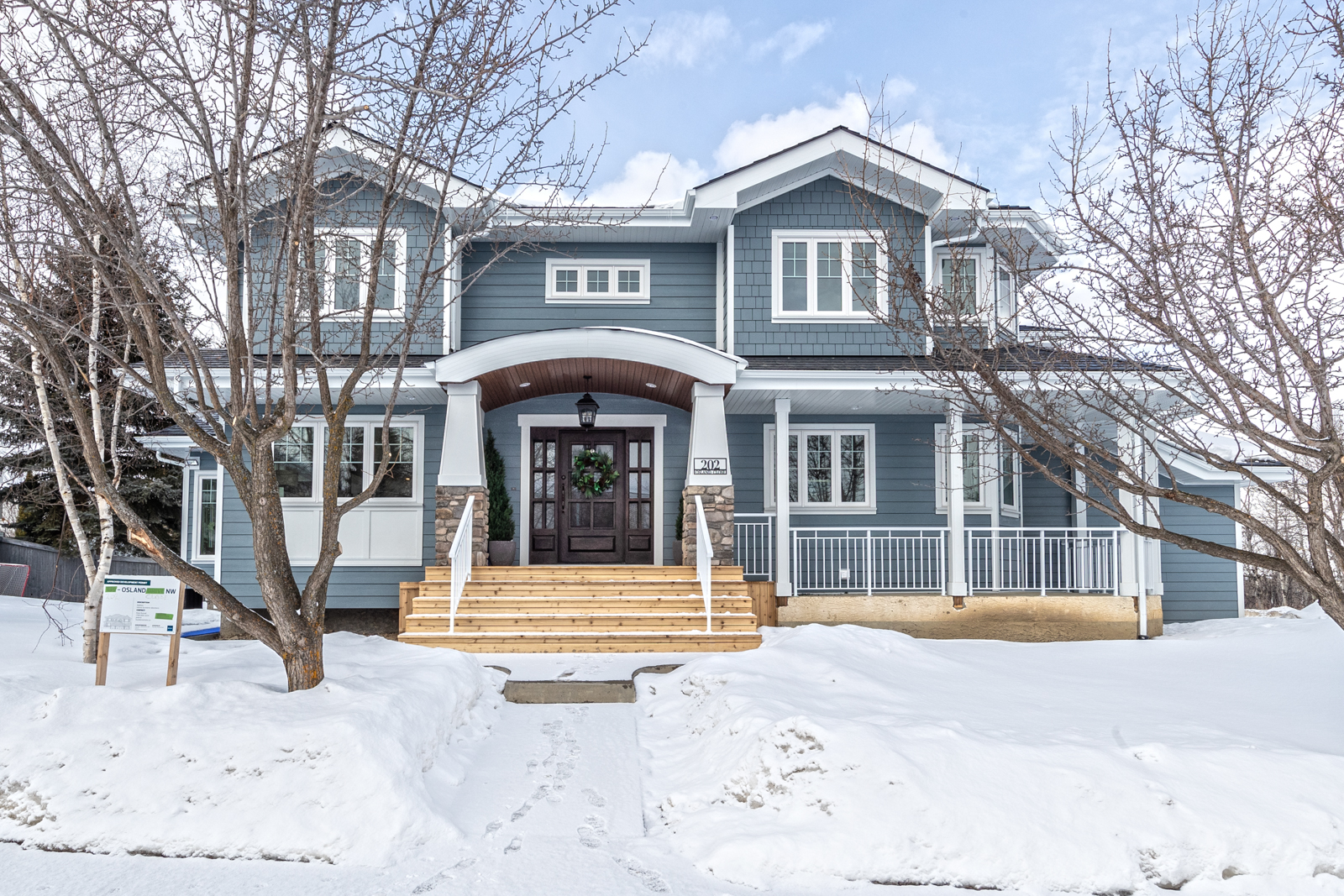
How to Prepare Your Edmonton-Area Home for Winter
Anyone who has lived through an Edmonton winter knows that our homes have to deal with a lot.
Cold temperatures, snow, ice, wind, freeze and thaw cycles, and months of continuous heating can put stress on almost every part of a house. A little preventative maintenance in the fall can help keep your home comfortable, protect it from damage, improve energy efficiency, and reduce the likelihood of an unexpected repair in the middle of winter.
Before the snow and colder temperatures settle in, here are some of the most important things Edmonton and area homeowners should check.
1. Change Your Furnace and HVAC Filters
Your furnace is going to be working hard for the next several months, so start the heating season with a clean filter.
Dirty filters restrict airflow and can make your heating system work harder than necessary. They can also affect indoor air quality and reduce the efficiency of your furnace.
Check your filter before winter and continue checking it throughout the heating season. How often it needs replacing will depend on the type of filter, your home, whether you have pets, and other factors.
2. Have Your Furnace and Heating System Serviced
Changing the filter is important, but it does not replace regular furnace maintenance.
Having your heating system professionally inspected before the coldest weather arrives can help identify worn parts, airflow problems, or other issues before they become much bigger problems.
There are few times you want to discover a furnace problem less than during an Edmonton cold snap.
3. Check Windows and Doors for Drafts
Walk through your home and check windows and exterior doors for cold air, worn weatherstripping, visible gaps, or deteriorating seals.
Even relatively small gaps can allow cold air into your home and warm air to escape.
Replacing worn weatherstripping and addressing problem areas can make rooms more comfortable and help reduce unnecessary heat loss.
Older windows that are consistently drafty, show signs of moisture damage, or have failed seals may also be worth discussing as part of a future renovation or energy-efficiency upgrade.
4. Inspect Exterior Caulking and Seals
Take a walk around the outside of your house before temperatures drop too far.
Look closely at caulking and seals around:
- Windows
- Exterior doors
- Utility penetrations
- Vents
- Siding transitions
- Other openings in the exterior envelope
Cracked, deteriorated, or missing caulking can allow moisture and cold air into places where you do not want them.
Small maintenance issues are generally easier to deal with before winter than after water has found its way into the structure.
5. Clean Your Gutters and Downspouts
Leaves, dirt, twigs, and other debris can prevent gutters from draining properly.
Before winter, clear out your gutters and check that downspouts are unobstructed and securely attached.
Make sure water is being directed away from your home’s foundation rather than collecting beside it.
This becomes especially important when snow begins melting in the spring and a significant amount of water needs somewhere to go.
6. Inspect Your Roof
Your roof is one of the most important parts of your home’s protection from the elements.
Before it becomes covered in snow, look for obvious signs of damage such as:
- Missing or damaged shingles
- Loose or damaged flashing
- Damaged vents
- Areas showing unusual wear
- Evidence of previous leaks or moisture
If you are unsure about the condition of your roof, have it professionally inspected rather than climbing onto it yourself.
Finding a small problem in the fall can be much easier than dealing with a leak during winter or spring thaw.
7. Check Your Attic Insulation and Ventilation
Your attic plays an important role in both comfort and energy efficiency.
Insufficient insulation can contribute to heat loss, while poor attic ventilation can contribute to moisture problems and ice buildup.
Look for obvious signs of moisture, damaged insulation, or uneven insulation levels. If parts of your home are noticeably colder than others, or you regularly experience ice buildup along the roofline, it may be worth having your insulation and ventilation professionally assessed.
For older Edmonton homes in particular, improving insulation can sometimes make a significant difference in winter comfort.
8. Trim Dead or Dangerous Branches
Snow, ice, and winter winds can place additional weight and stress on trees.
Look for dead, damaged, or unstable branches that could fall onto your house, garage, vehicles, fences, or utility lines.
Large branches or trees near structures should be assessed and handled by a qualified tree professional.
9. Seal Gaps Where Pests Can Get In
You are not the only one who wants to be somewhere warm during an Alberta winter.
Mice and other pests can find surprisingly small openings around foundations, siding, utility penetrations, vents, doors, and garages.
Inspect the exterior of your home for obvious gaps and make appropriate repairs before colder weather encourages unwanted visitors to look for shelter.
10. Shut Off and Drain Outdoor Water Lines
Exterior faucets and water lines can be vulnerable to freezing.
Disconnect garden hoses and store them for the winter. If your home has an interior shutoff for exterior faucets, shut off the water supply and drain the line according to the design of your plumbing system.
Outdoor irrigation systems should also be properly winterized.
Frozen water can expand and damage pipes, creating a problem that may not become obvious until the weather warms up.
11. Test Your Sump Pump
Your sump pump may not get much attention during winter, but you want it operating properly when melting snow and spring runoff arrive.
Test the pump and make sure the sump pit is clear of debris.
If you have a backup system or battery backup, check that it is working properly as well.
Taking a few minutes to check the system now can help you avoid discovering a problem when you actually need the pump.
12. Inspect Your Foundation and Exterior Drainage
Walk around the foundation and look for cracks, damaged areas, or places where water appears to collect.
Where possible, the ground around your home should encourage water to move away from the foundation rather than toward it.
Small cracks do not automatically indicate a serious structural problem, but new cracks, expanding cracks, or signs of water infiltration should be investigated.
Freeze and thaw cycles can make existing moisture problems worse.
13. Clean Your Dryer Vent
Lint buildup does not just reduce the efficiency of your dryer. It can also create a fire hazard.
Clean the lint trap regularly and periodically check and clean the vent that carries dryer exhaust outside your home.
Also make sure the exterior vent flap opens properly and has not become blocked.
14. Test Smoke and Carbon Monoxide Alarms
As homes are closed up for winter and heating systems operate more frequently, this is a good time to test your smoke and carbon monoxide alarms.
Check every alarm in your home and replace batteries when necessary.
If an alarm has reached the end of its recommended service life, replace the unit.
15. Check Garage Doors and Seals
If you have an attached garage, inspect the weatherstripping around the garage door and the door connecting the garage to your home.
Damaged bottom seals or perimeter weatherstripping can allow a surprising amount of cold air and snow into the garage.
A better seal can help protect the garage and improve comfort in rooms located beside or above it.
16. Prepare Your Winter Supplies
Do not wait until the first major snowfall to discover that the snow shovel broke last year.
Make sure you have the basics ready, including:
- Snow shovels
- Ice melt or sand
- A snow brush and scraper
- Outdoor extension cords if required
- Winter-rated windshield washer fluid
- Any equipment needed to operate and maintain a snowblower
It is much easier to prepare on a mild fall afternoon than during the first major storm.
A Little Maintenance Can Prevent Bigger Problems
Preparing your home for winter does not have to be complicated. Many of the most important tasks are simply about catching small problems before several months of cold weather make them worse.
It is also a good opportunity to pay attention to the bigger picture.
Drafty windows, cold rooms, recurring moisture problems, inadequate insulation, deteriorating exterior finishes, or a home that simply does not perform as well as it should may point to opportunities for more substantial improvements.
At Four Elements Construction, we build and renovate homes for the realities of living in Edmonton, Sherwood Park, St. Albert, and the surrounding area. Whether you are considering a renovation, an addition, an exterior improvement, or a new home build, thoughtful planning and quality construction can make a noticeable difference in how your home performs through every Alberta season.
Thinking about improving your home? Contact Four Elements Construction to talk about your renovation or new home project..
- Category :
- Type : Modern